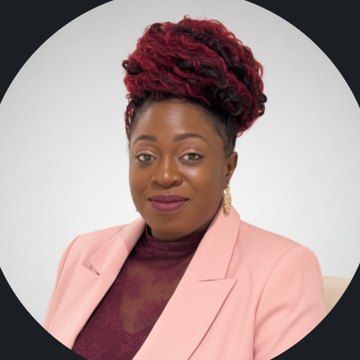
Aderonke Agboola
Director
Manchester

Taking an organisation from manual process to a working digital service — and managing the product properly once it exists.
The digitalisation journey
Most failed digitalisation programmes did not fail at the technology. They failed because the process was digitised before it was fixed, or because nobody planned for the people who had to change how they worked.
An honest assessment of current process, systems and data — including the spreadsheets and paper that the official process diagram does not mention.
A sequenced roadmap. Digitalising a broken process produces a faster broken process, so the order matters more than the tooling.
Requirements written so they can be tendered, and an honest view of whether the thing should be bought off the shelf, configured, or built.
Running the work: backlog, priorities, suppliers, and the decisions that keep scope from quietly expanding.
The part most programmes skip. A system nobody uses has not digitalised anything — it has added a second process alongside the old one.
Measuring what actually changed against what was promised, and reporting it to whoever signed the business case.
What we deliver
Understanding the real problem before anything is specified. Interviews, process mapping, and a written problem statement stakeholders agree on.
A sequenced plan tied to business outcomes, with the reasoning visible so it can be challenged rather than merely accepted.
Written so a supplier can quote against them and you can hold them to it — the single biggest determinant of whether a procurement goes well.
Day-to-day running of the work: suppliers, dependencies, risks, and the decisions that need making before they become blockers.
Training, communication and the transition from old process to new — planned from the start rather than bolted on at go-live.
Programme reporting that a board or an oversight committee can actually use to make a decision.
The team
This practice is led jointly by three practitioners, and delivered by a standing team rather than one assembled per engagement. Between them they hold more than twenty years inside Nigerian federal agencies — building the systems, not advising from outside — alongside current delivery experience in UK product management and security governance.
Director
Manchester
Aderonke Agboola
Information security and governance practitioner, with standards authorship at Nigeria's national standards body behind her and audit and compliance work across Nigeria, the UAE, the United Kingdom and Ireland. On product work she brings the assurance side — a service designed against the obligations it will be audited on, not retro-fitted to them after launch.
aderonke.agboola@faraldconsultancy.com
Digital Transformation Lead
Abuja
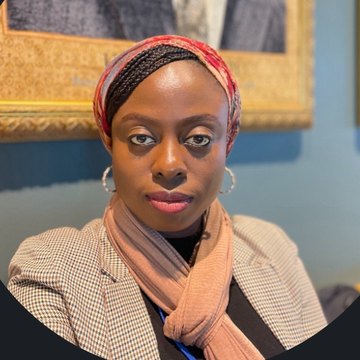
Aisha Agboola
Eleven years at Nigeria's Independent National Electoral Commission, most recently as Principal Programme Analyst leading digital transformation projects, then UNDP's AI Hub for Sustainable Development. Her focus is digital public infrastructure, digital identity and e-government delivery — taking institutions from manual process to a working digital service, with the governance to match.
aisha.agboola@faraldconsultancy.com · +234 803 971 0046
Product Management Lead
Norwich
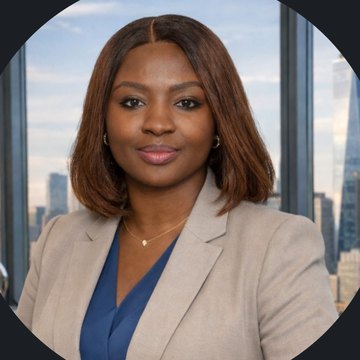
Habiba Adriel Hamza
Ten years at Nigeria's Independent National Electoral Commission, introducing Agile delivery for the biometric systems and portals serving an electoral roll of over 85 million, and digitising workflows across 21 departments. Now a product manager at a UK insurance technology group, running its enterprise innovation pipeline. Her focus is the gap between a good idea and a delivered one.
The first conversation is usually about which one to tackle first — and that is often not the one people expect.